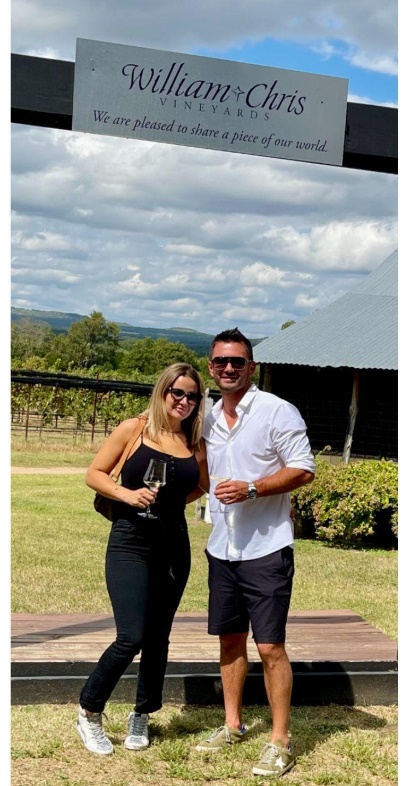
When we visited the Texas Hill Country in October, it didn’t take long to understand why people fell in love with the place. Everywhere we went, there were live country bands playing on big green lawns, families spread out with picnic blankets, and the kind of friendly smiles that make you feel like a local the moment you arrive. People had time to talk — real, meaningful conversations about where you came from and what brought you there — the kind you just don’t find in the more polished tasting rooms of California.
The parking lots were full, wedding parties came and went, and most of the visitors we met were from the Austin area, escaping the city for the weekend. The whole atmosphere was laid-back, genuine, and full of life — the kind of energy that reminds you wine is about people.
While Napa and Sonoma have long set the stage for premium wine and tourism, the Texas Hill Country has quietly become social without being chaotic and classy without being pretentious.
Out here, you don’t stand in line for a small pour at a crowded bar. You’re greeted with a smile, a handshake, and an open seat at a picnic table under the oaks. The atmosphere leans more “backyard barbecue, cowboy boots & live music” versus velvet rope and reservation list. Visitors can sprawl across rolling lawns, let the kids run free, listen to local bands, and sip wines from Texas and California while the sun dips behind the hills.
The Hill Country’s wineries have built their brand on hospitality and space — big patios, outdoor tasting lawns, firepits, modern facilities, food trucks, wedding parties and family-oriented festivals. It’s a place where generations can enjoy the same property together, and that inclusivity has fueled a steady rise in tourism and repeat visitation.
Meanwhile, Napa and Sonoma — still world-class in production quality — have become tighter, pricier, and more corporate. Tastings can feel transactional, and the focus on exclusivity makes it tough for younger consumers and families to connect with the experience. For many visitors, that’s created a sense of “been there, done that.”
The big question? – is whether Napa/Sonoma is positioned for the next generation to sustain both its infrastructure and the wine legacy that’s been built over many decades?

-Tony Ford